LOTE: Arabic Studies
Stage 4 And 5: Arabic Studies
Aim
To enable students to develop communication skills, focus on languages as systems and gain insights into the relationship between language and culture, leading to lifelong personal, educational and vocational benefits.
Content
- Languages courses provide students with the opportunity to gain effective skills in communicating in the chosen language, to explore the relationship between languages and English, and to develop an understanding of the cultures associated with the chosen language.
- Students will develop the knowledge, understanding and skills necessary for effective interaction in Arabic.
- They will explore the nature of languages as systems by making comparisons between English and Arabic.
- Students will also develop intercultural understandings by reflecting on similarities and differences between their own and the target culture.
- Students will develop the skills to communicate in Arabic. They will listen and respond to spoken language. They will learn to read and respond to written texts in Arabic. Students will establish and maintain communication in familiar situations using Arabic.
- Students will explore the diverse ways in which meaning is conveyed by comparing and contrasting features of Arabic. They develop a capacity to interact with people, their culture and their language.
Stage 4 And 5: Arabic Studies
Aim
The aims of studying Arabic in stage 6 are to develop students’:
- Ability to use Arabic to communicate with others
- Understanding and appreciation of the cultural contexts in which Arabic is used
- Ability to reflect on their own culture(s) through the study of other cultures
- Understanding of language as a system
- Ability to make connections between Arabic and English, and/or other languages
- Cognitive, learning and social skills
- Potential to apply Arabic to work, further study, training or leisure.
Course Description
Upon finishing this course students should be able to:
- exchange information, opinions and experiences in Arabic
- express ideas through the production of original texts in Arabic
- analyse, process and respond to texts that are in Arabic
- understand aspects of the language and culture of Arabic-speaking communities.
Meeting these objectives will involve using the skills of listening, speaking, reading and writing, either individually or in combination, and being able to move between Arabic and English.
Prerequisites
- The study of Arabic contributes to the overall education of students, particularly in the areas of communication, cross-cultural understanding, literacy and general knowledge. It provides access to the culture of Arabic-speaking countries and communities. The study promotes understanding of different attitudes and values within the wider Australian community and beyond.
- Students who have successfully completed Arabic language courses in stage 4 and 5 are highly encouraged to elect the Arabic language subject in stage 6.
Arabic Language Studies
Strengthening Language, Identity & Global Connections
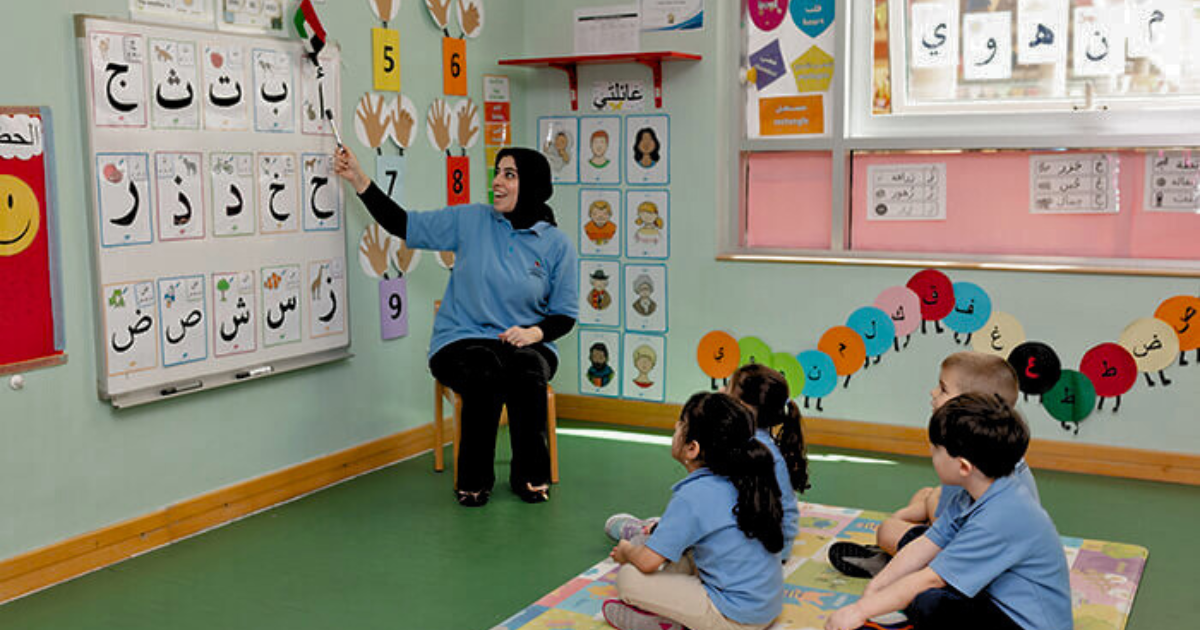
At Al Amanah College, Arabic is the language of mandatory study commencing from Kindergarten to Year 10, with the option of the senior years (Year 11 &12) selecting Arabic Continuers as an ATAR subject. The Arabic Faculty is committed to delivering a comprehensive and engaging curriculum that develops students’ linguistic proficiency and cultural understanding. Aligned with the new NSW Arabic syllabus, our program integrates modern teaching methods with rich cultural experiences, ensuring that students build a strong foundation in reading, writing, speaking, and listening in Arabic.
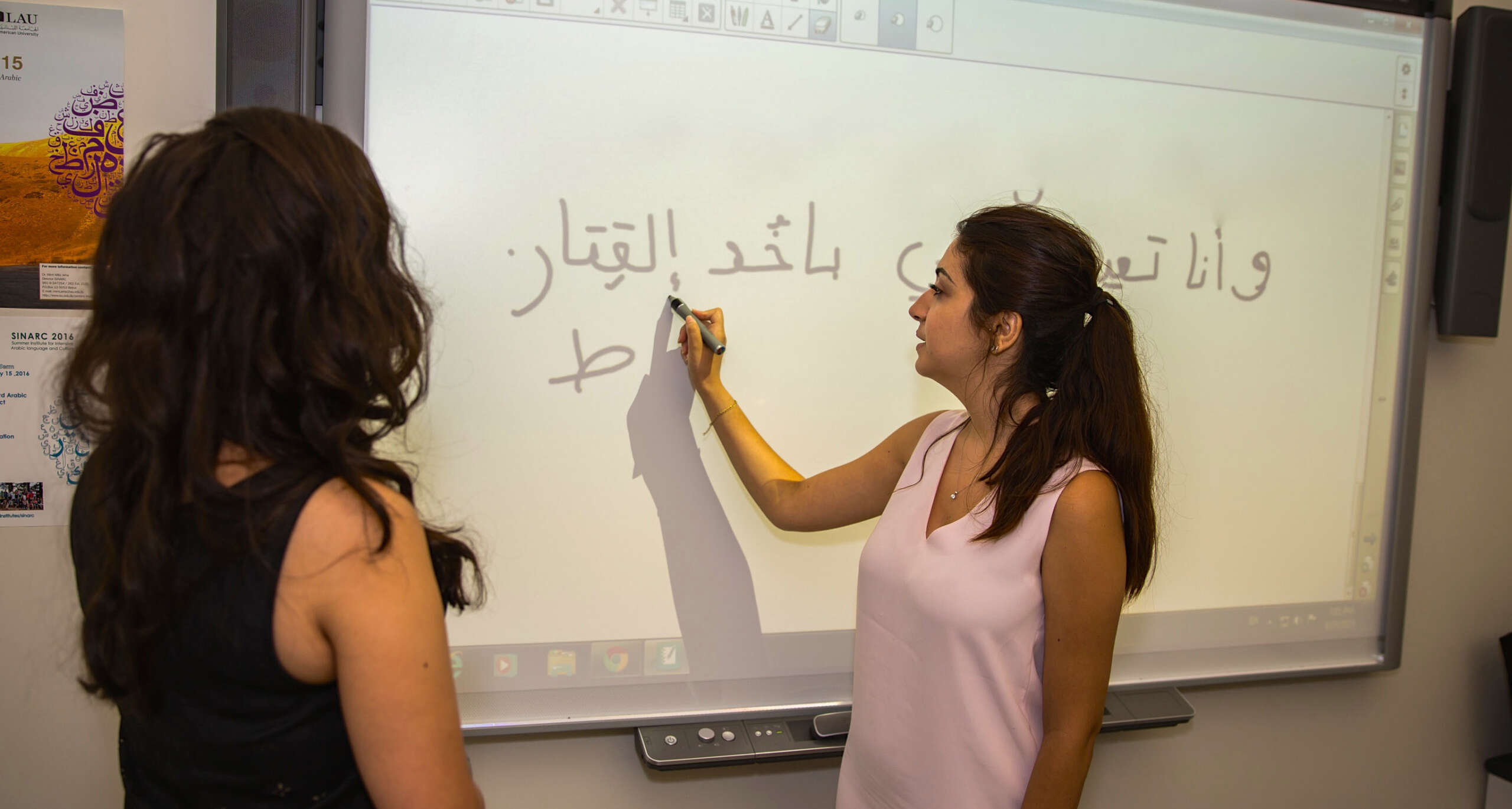
Through interactive lessons, real-world applications, and cultural exploration, students gain the confidence to use Arabic in both academic and everyday settings, fostering a lifelong connection to the Arabic language and heritage.
Arabic Curriculum Overview (Years 7–12)
Our curriculum follows a progressive learning structure, ensuring students develop their Arabic language skills step by step from basic communication to advanced language use.
Stage 4 (Years 7 & 8) – Foundations of Arabic Language & Culture:
Students begin their Arabic studies by building essential language skills while exploring key cultural themes.
- Year 7: Topics include “Myself and My Identity” and “Interacting with Friends”, introducing students to basic vocabulary, sentence structure, and cultural traditions. They also learn about occupations, letter writing, and global cultures.
Year 8: Students expand their knowledge with themes such as celebrations, seasons, and weather, as well as adventures, inventions, and discoveries, helping them develop conversational fluency and cultural awareness.
Stage 5 (Years 9 & 10) – Expanding Communication & Cultural Understanding:
At this stage, students refine their language skills and cultural insights, applying Arabic to real-world scenarios.
- Year 9: Focuses on community-related topics, including local services, describing people and places, and daily routines, strengthening students’ ability to communicate about their surroundings.
- Year 10: Covers everyday life themes, such as food, leisure, hobbies, journalism, health, and fitness, helping students develop practical conversational skills for a variety of contexts.
Stage 6 (Years 11 & 12) – Advanced Language & Literature (Arabic Continuers):
Senior students engage with complex language structures and sophisticated themes, preparing them for higher education and professional use of Arabic.
- Year 11: Explores personal identity, family, culture, traditions, and environmental topics, deepening students’ ability to discuss meaningful societal issues.
- Year 12: Focuses on the world of work, modern literature, biographies, and media studies, encouraging critical engagement with Arabic texts and contemporary topics.
Excursions & Competitions – Bringing Arabic to Life:
To enhance language learning, the Arabic Faculty provides students with interactive experiences beyond the classroom, allowing them to apply their skills in real-world settings.
- Year 10 Excursion – Arabic Restaurant Experience: Students practice ordering food and engaging in conversation in Arabic, reinforcing vocabulary related to customs, dining, and hospitality.
- Year 8 Excursion – Arabic at the Zoo: Students apply their knowledge of animals, nature, and environmental vocabulary in an engaging outdoor setting, connecting language learning with real-life exploration.
Students are also encouraged to showcase their Arabic skills through competitive events:
- Annual Arabic Language Competition: A platform for students to demonstrate their spoken and written Arabic proficiency, encouraging confidence and excellence in communication.
- Arabic Poetry Competition: An opportunity for students to recite and interpret Arabic poetry, developing their public speaking skills, pronunciation, and appreciation for Arabic literature.
A Dynamic & Culturally Enriching Arabic Program
At Al Amanah College, we believe that learning Arabic is more than just acquiring a language; it is about connecting with cultural heritage, developing a global perspective, and building confidence in communication. Through our structured curriculum, engaging activities, and cultural events, students graduate with a strong command of Arabic and a deep appreciation for its rich traditions.